
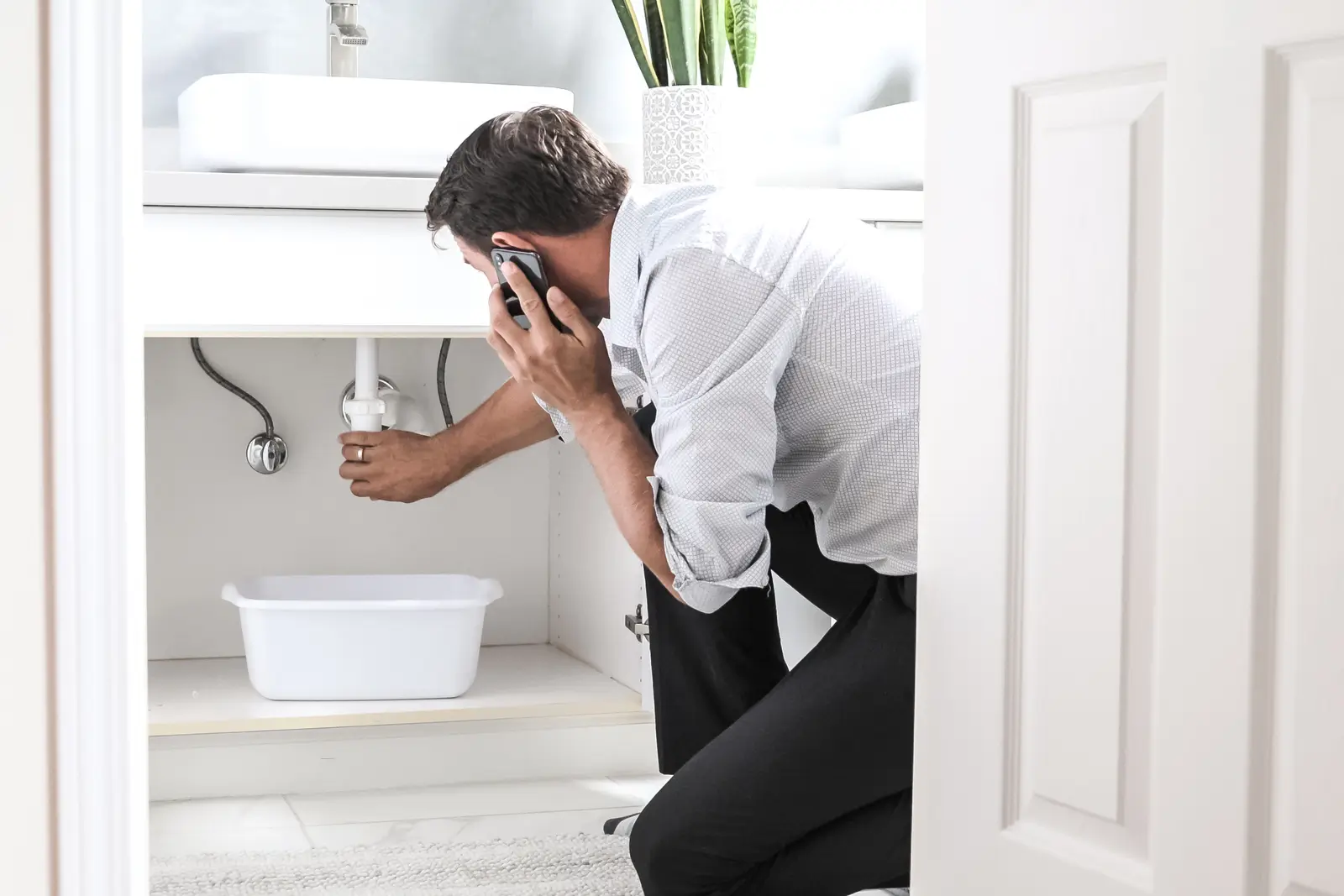
It's 2 a.m., and your phone lights up with a tenant insisting their leaky faucet is a five-alarm crisis. Every landlord has fielded a call like this, and knowing whether to spring out of bed or wait until morning comes down to one clear test: does the issue threaten someone's safety, cause serious damage, or make the unit unlivable? Clarksville landlords face this test more than most, thanks to swinging seasonal temperatures, older housing stock, and a Tennessee legal framework that spells out landlord duties.
Getting this right protects tenants and keeps your ongoing maintenance oversight running smoothly instead of reactively. Read on to see exactly which situations count as true emergencies in Clarksville rentals, which ones can wait, and what state law requires of you as a landlord.
Key Takeaways
- Clarksville landlords should judge emergencies by three factors: threat to safety, risk of significant damage, or loss of habitability.
- Tennessee's Uniform Residential Landlord and Tenant Act applies in Montgomery County and sets clear repair obligations for landlords.
- Not every inconvenient repair request qualifies as an emergency, and knowing the difference protects both your budget and your tenant relationships.
- Most habitability-related emergencies call for a response within 24 to 48 hours to stay compliant and keep tenants safe.
Safety and Habitability Issues That Count as Emergencies
An emergency repair is any issue that puts a tenant's health or safety at immediate risk. In Clarksville rentals, these situations leave no room for a "wait and see" approach:
- Gas leaks or a triggered carbon monoxide alarm. Tenants should evacuate immediately and call emergency services before contacting you. Once the property is confirmed safe, a licensed professional needs to inspect the source before anyone reenters.
- No heat during a cold snap or no air conditioning in extreme summer heat. Either can cross into habitability territory fast, particularly for elderly tenants, young children, or anyone with a medical condition sensitive to temperature swings.
- Structural damage, such as a ceiling sagging from water saturation or damage from a storm. These situations threaten both physical safety and the underlying integrity of the home, and they demand a same-day response.
Each of these categories shares a common thread: delay creates real risk to a person, not just an inconvenience to a schedule.
Property Damage and Security Emergencies
A second category of emergencies may not endanger a life immediately but can cause extensive damage or expose tenants to unsafe conditions if left unaddressed. These issues call for prompt action, typically within hours rather than days:
- Burst pipes or major water leaks: Clarksville's freeze-thaw winters, where nights drop below freezing and days warm back up, put plumbing under repeated stress and make burst pipes a recurring cold-weather emergency.
- Sewer backups and flooding: Both create health hazards and can ruin flooring, drywall, and personal belongings within hours if not addressed.
- A complete power outage tied specifically to the property, rather than a neighborhood-wide utility issue, warrants a same-day electrician call.
- A broken exterior door lock or a window that won't secure properly. Either compromises tenant safety and needs prompt attention regardless of the time of day.
These standards hold whether you own a single rental home or manage a larger multifamily investment strategy since shared entry points and common systems raise the stakes for every resident in the building.
What Doesn’t Qualify as a Maintenance Emergency
Just as important as knowing what counts as urgent is recognizing what can wait for regular business hours. The following issues are inconveniences, not emergencies:
- Burnt-out lightbulbs or a malfunctioning ice maker
- A lack of hot water, when it isn't tied to a larger utility failure
- Noise complaints, unless they signal an actual safety threat
- Minor, contained drips that aren't actively damaging the property
A helpful test many Clarksville landlords use involves bathroom count. A single clogged toilet in a one-bathroom home is a genuine emergency, since the tenant has no working alternative. That same clogged toilet in a home with two or three bathrooms is an inconvenience that can wait for a regular service call, saving you an unnecessary after-hours plumbing fee.
Many of these lower-priority issues also surface during a routine inspection walkthrough, which is exactly why scheduled property checks matter so much between tenant turnovers.
Tennessee Law and Your Responsibilities as a Clarksville Landlord
State law gives Clarksville landlords a clear framework, and it's worth knowing the specifics rather than relying on general assumptions.
Habitability and Repair Duties
Montgomery County falls under the Tennessee Uniform Residential Landlord and Tenant Act, and under Tenn. Code Ann. § 66-28-304, landlords must comply with housing codes affecting health and safety and keep the property in a fit, habitable condition. This isn't optional guidance; it's a legal obligation tied directly to every emergency category described above.
Entry Rights and Tenant Duties
Section 66-28-403 gives landlords the right to enter a unit without tenant consent specifically during an emergency, defined under the statute as a sudden, unexpected situation demanding immediate action. Tenants carry their own maintenance responsibilities, including keeping their space clean and reporting issues that affect health and safety, though the bulk of emergency response duty still falls on the landlord.
Response Time Expectations
While Tennessee law doesn't set one universal deadline for every repair, a 24- to 48-hour response window has become the practical standard for habitability-related issues like heat, water, and security failures. Life-threatening emergencies warrant an immediate response, full stop.
FAQs
1. How quickly must I respond to an emergency maintenance request in Clarksville?
Life-threatening issues like gas leaks or fire require an immediate response, while habitability-related repairs such as heat, water, or security failures should generally be addressed within 24 to 48 hours to stay compliant with Tennessee's habitability standards.
2. Does a single clogged toilet count as an emergency?
It depends on the number of bathrooms in the unit; a clogged toilet in a one-bathroom home is an emergency since the tenant has no alternative, while the same issue in a multi-bathroom home can usually wait for a scheduled repair.
3. Can I enter a tenant's unit without notice during an emergency?
Yes, Tennessee law specifically permits landlords to enter without a tenant's consent when a sudden, unexpected situation demands immediate action, though this right should never be used except in genuine emergencies.
4. What should tenants do if they believe they're facing an emergency?
If there's an immediate threat to life or property, such as a gas leak or fire, tenants should contact emergency services first and notify the landlord as soon as everyone is safe.
Why This Distinction Protects More Than Just Your Property
Drawing a hard line between emergency and routine maintenance isn't about being rigid with tenants; it's about responding fast where it truly matters and preserving your resources everywhere else. That clarity keeps your legal obligations under Tennessee law in check, keeps tenants safe, and often affects how insurance carriers evaluate a claim tied to sudden damage versus ordinary wear and tear.
At Platinum Realty & Management, we manage emergency and routine maintenance requests for rental properties across Clarksville and the surrounding area every day. That hands-on experience shapes every standard outlined in this guide.
If you'd like a partner who already knows how to draw this line correctly, schedule a consultation with our team to see how we handle it for owners like you.