
The U.S. multifamily housing sector is entering a new investment phase in 2026. After several years marked by rising interest rates, large construction pipelines, and economic uncertainty, many real estate investors are reassessing where the next opportunities may appear.
Across the country, attention is shifting toward smaller cities with strong population growth, expanding employment opportunities, and relatively affordable property prices. These conditions often support stable rental demand and long-term investment performance.
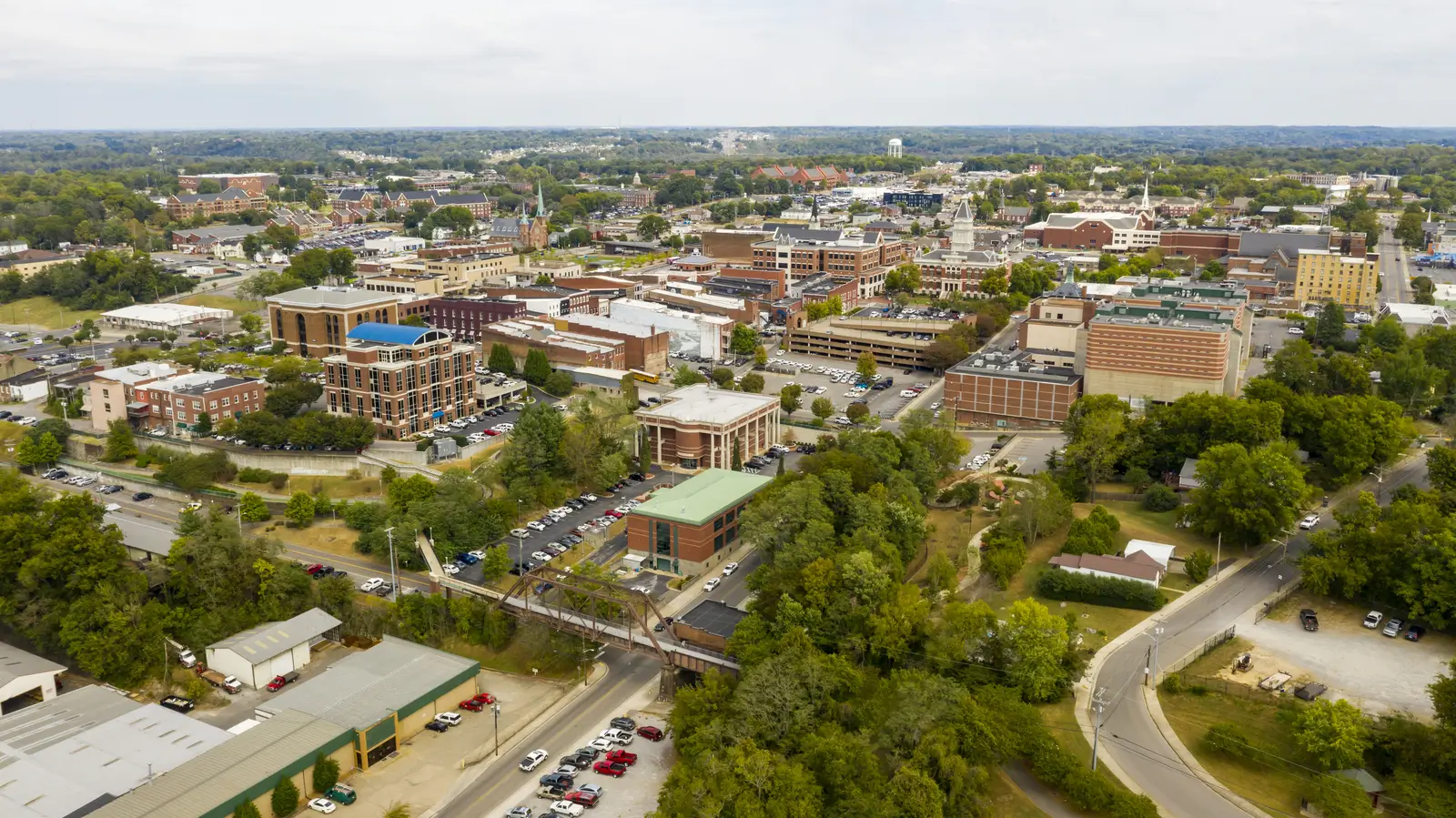
Clarksville, Tennessee, is increasingly viewed as an emerging market. The city’s growing population, strong local economy, and proximity to Fort Campbell continue to attract new residents and military families. Compared with larger Tennessee cities such as Nashville, Clarksville also offers more accessible entry prices for investors pursuing multifamily property investment opportunities.
For landlords evaluating the Clarksville, TN, housing market, understanding both national trends and local drivers will be critical in 2026. Read on to learn what national trends may influence investment strategy decisions and why Clarksville’s multifamily market could present meaningful opportunities in the coming year.
Key Takeaways
- Stabilizing interest rates and slowing construction activity are helping restore balance in multifamily housing markets nationwide.
- Clarksville’s population growth, economic expansion, and military presence continue to drive rental demand.
- Workforce housing and mid-tier multifamily properties may offer strong investment opportunities in the Clarksville market.
- Partnering with experienced property managers can help investors navigate market changes and protect long-term property performance.
National Multifamily Trends Shaping Investment in 2026
National trends often influence local rental markets, and several factors are shaping how investors evaluate multifamily opportunities in 2026.
Stabilizing Interest Rates and Investor Confidence
Interest rates have been one of the most significant factors affecting multifamily investments in recent years. Higher borrowing costs slowed transaction activity across many real estate markets as investors reassessed financing options and compared loan terms from multiple lenders.
As the market moves into 2026, improved interest-rate stability is helping to restore investor confidence. More predictable financing conditions allow investors to evaluate cap rates, potential cash flow, and long-term property performance more accurately.
Slowing Development after a Major Supply Wave
Multifamily construction surged in recent years as developers responded to strong housing demand. However, rising construction costs and tighter lending standards are now slowing new development activity.
Fewer projects breaking ground nationwide may help stabilize rental markets over time and reduce competition from newly delivered properties.
Modest Rent Growth and Market Normalization
The multifamily sector experienced significant rent volatility earlier in the decade. As the market stabilizes, analysts expect more moderate rent growth across many housing markets.
For property owners, stable rent levels make it easier to forecast rental income, manage operating costs, and evaluate long-term investment returns.
Why Clarksville Is Attracting Multifamily Investors
Clarksville’s local fundamentals are a major reason why investors are increasingly evaluating the market.
Population Growth and Migration Trends
Clarksville has experienced steady population growth for several years, making it one of the fastest-growing cities in Tennessee.
According to the U.S. Census Bureau population estimates, Clarksville’s population has continued to increase in recent years as more residents relocate to the region.
Population growth directly increases demand for housing, rental properties, and residential units. Key drivers include employment opportunities, military relocations associated with Fort Campbell, and migration from larger cities in search of more affordable housing.
Clarksville’s location also provides convenient regional access to Nashville, which appeals to renters who work in the broader region but prefer lower living costs.
Affordability Compared to Larger Tennessee Markets
Affordability remains one of Clarksville’s strongest advantages. Compared to larger Tennessee markets, the city offers lower real estate acquisition prices and accessible entry points for investors.
For renters, rising home values and mortgage costs have made homeownership more difficult in many markets. As a result, renting remains the more practical option for many Clarksville residents, supporting continued rental demand.
Expanding Local Economy
Clarksville’s local economy continues to diversify and grow. Major industries supporting job creation include healthcare, manufacturing, logistics, retail trade, and education.
Austin Peay State University also contributes to workforce development and economic activity across Montgomery County.
The broader regional economy surrounding Clarksville generates billions in annual output, reflecting the region’s growing economic scale within the Clarksville metropolitan area economy.
Key Demand Drivers for Clarksville Rental Housing
Several factors help sustain demand for rental housing in Clarksville.
Fort Campbell’s Impact on Rental Demand
Fort Campbell is a major regional presence and an important driver of housing demand. The installation brings a steady flow of service members and their families to the Clarksville area.
Military relocations lead to consistent tenant turnover while maintaining strong demand for rental properties. Because military assignments are often temporary, many service members choose to rent rather than own a home.
Workforce Housing Needs
Workforce housing represents another important segment of Clarksville’s rental market. Many local residents work in industries where affordable rental options are essential.
As homeownership costs rise across Tennessee, renting remains a practical choice for many households. This trend supports increasing demand for well-maintained multifamily housing communities.
Demographic Trends Supporting Multifamily Living
Younger renters often prioritize flexibility, mobility, and professionally managed communities. These renters may relocate for career opportunities or lifestyle preferences.
For property owners, selecting reliable tenants is essential for maintaining stable communities. Following proven tenant screening tips can help landlords reduce risk and improve tenant quality.
Multifamily Supply and Development Trends in Clarksville
Clarksville has seen steady multifamily development in recent years as investors respond to rising demand for rental housing.
Current Development Activity
New apartment communities and rental developments are expanding the supply of residential units throughout the city. However, national development slowdowns may influence Clarksville’s future construction pipeline.
If fewer projects begin nationwide, future development activity in Clarksville may also moderate. This could help stabilize vacancy rates and maintain balanced housing markets.
Property Class Opportunities for Investors
Multifamily investments generally fall into several categories, including Class A and Class B properties, as well as workforce housing communities.
In growing cities like Clarksville, mid-tier Class B properties often attract strong investor interest. These properties may offer opportunities for renovations that improve property performance while maintaining affordability for renters.
Some investors also compare multifamily assets with single-family homes or alternative models such as short-term rentals, though long-term rental communities remain the primary focus for most multifamily investors.
Emerging Neighborhoods and Growth Areas
Several Clarksville neighborhoods are attracting investor attention as development expands.
Areas such as Ashland Hills are gaining interest as development corridors supported by infrastructure improvements and economic growth. Investors interested in these locations may benefit from reviewing insights on emerging investment neighborhoods.
Investment Opportunities and Risks in 2026
Clarksville’s multifamily sector presents both opportunities and potential risks for investors.
Opportunities in Workforce and Value-Add Multifamily
Workforce housing and value-add multifamily properties may offer strong opportunities in Clarksville. These investments often involve renovating existing communities, improving operations, or upgrading amenities.
Well-managed properties can maintain stable occupancy and generate reliable cash flow.
The Role of Professional Property Management
Effective property management plays a major role in maintaining property performance. An experienced property manager can oversee tenant relationships, coordinate maintenance, and improve operational efficiency.
Working with professionals who specialize in multi-family property management can help investors navigate regulations, evaluate loans, and manage day-to-day operations more effectively.
Risks Investors Should Monitor
While Clarksville offers strong growth potential, investors should monitor potential risks such as rising construction costs, changing lending conditions, or localized oversupply in certain neighborhoods.
Tracking economic indicators such as employment trends, housing demand, and financing conditions can help investors make informed decisions.
FAQs
1. Is Clarksville, TN, a good place to invest in multifamily real estate?
Clarksville continues to attract investors due to its population growth, expanding economy, and proximity to Fort Campbell. These factors help maintain strong rental demand throughout the city.
2. What types of multifamily properties perform best in Clarksville?
Workforce housing and mid-tier Class B properties often perform well because they appeal to military families and local workers seeking affordable housing.
3. How does Fort Campbell affect the rental market?
Fort Campbell drives consistent rental demand because military families frequently relocate to the area. This military presence helps maintain stable occupancy for rental properties.
4. Should multifamily investors hire property managers?
Professional property managers help maintain tenant satisfaction, coordinate maintenance, and protect long-term property performance. Their local expertise can significantly improve operational efficiency.
Clarksville’s Multifamily Market Is Entering a New Investment Cycle
Clarksville’s multifamily sector is entering an important stage of growth. Continued population growth, economic expansion, and the presence of Fort Campbell continue to support rental demand across the city.
These factors have helped position Clarksville as one of Tennessee’s fastest-growing cities and a promising location for multifamily investment.
Navigating this evolving market often requires local knowledge and hands-on experience. Platinum Realty & Management works closely with property owners throughout Clarksville, TN, helping investors manage multifamily properties, attract reliable tenants, and protect long-term asset value.
If you are considering your next investment property or want to strengthen the performance of an existing rental property, working with our team can help you maximize long-term results. Contact us today for a consultation and free rental analysis!